Overview
This project builds a large-scale database from Swedish historical records, unlocking individual-level data on the Swedish population that currently doesn't exist for cohorts born between 1900 and 1950. By digitizing and linking birth certificates and school records to modern administrative registers, we're creating a resource for social science research into social mobility, gender equality, educational disparities, and long-term socio-economic outcomes across generations.
Approach
1) Segmentation: We trained a U-Net model to identify the tables and individual rows/columns within each scanned document, using semantic segmentation to label each pixel and isolate the relevant fields.
2) Transcription: Once segmented, each image snippet is transcribed using a combination of Convolutional Neural Networks (CNNs) and Visual Transformers (ViTs), architectures well-suited to the varied and often difficult-to-read handwriting styles found across a half-century of records.
3) Record linkage: Digitized records are linked to the 1910 and 1950 censuses and the Swedish Death Index using record linkage techniques, with performance aided by the fact that exact birth dates, full names, and parish of birth make most individuals uniquely identifiable.

Collaborators
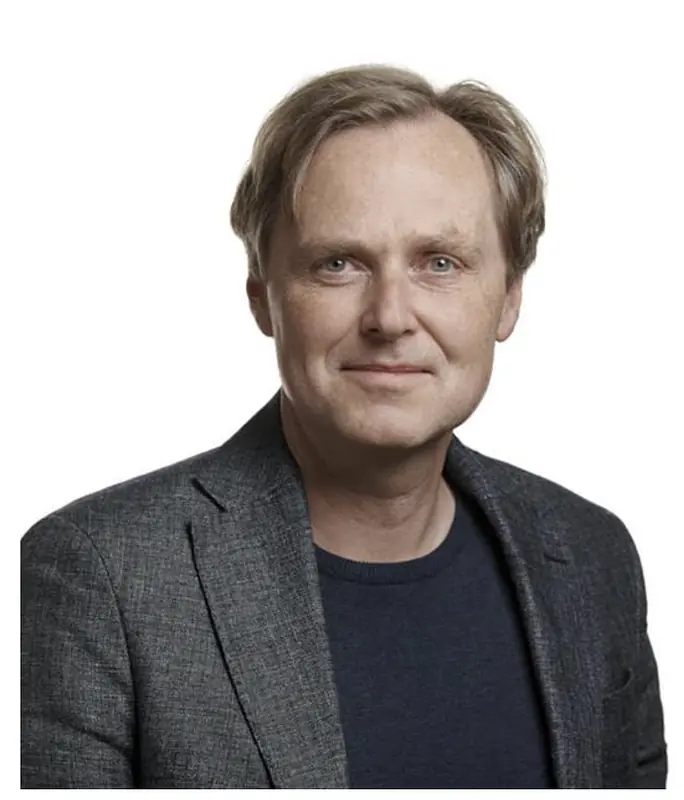
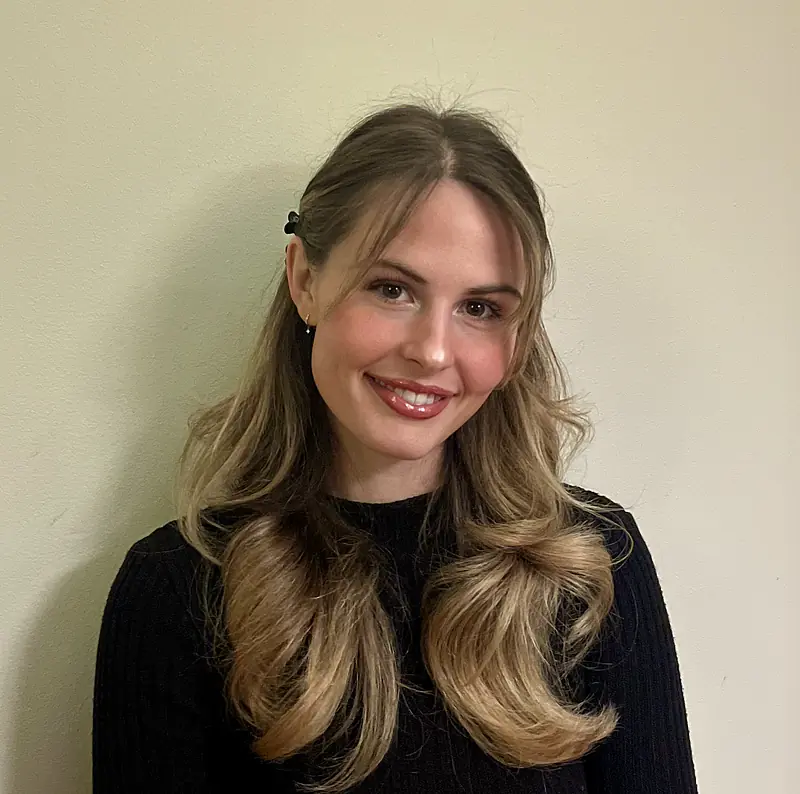
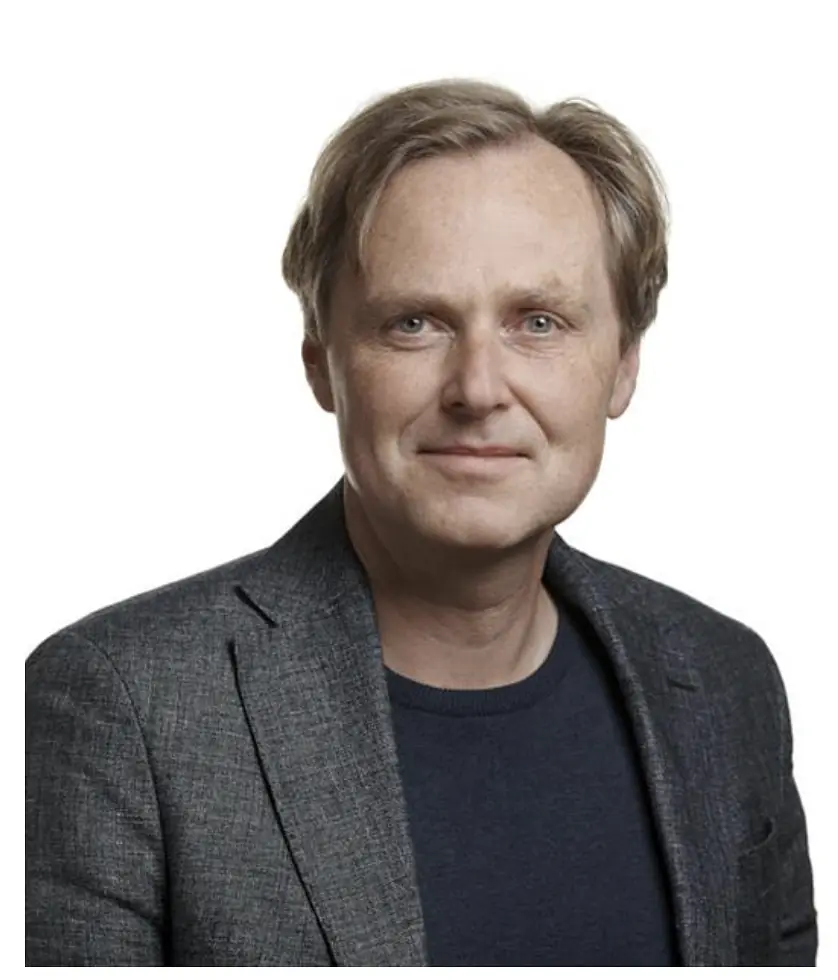
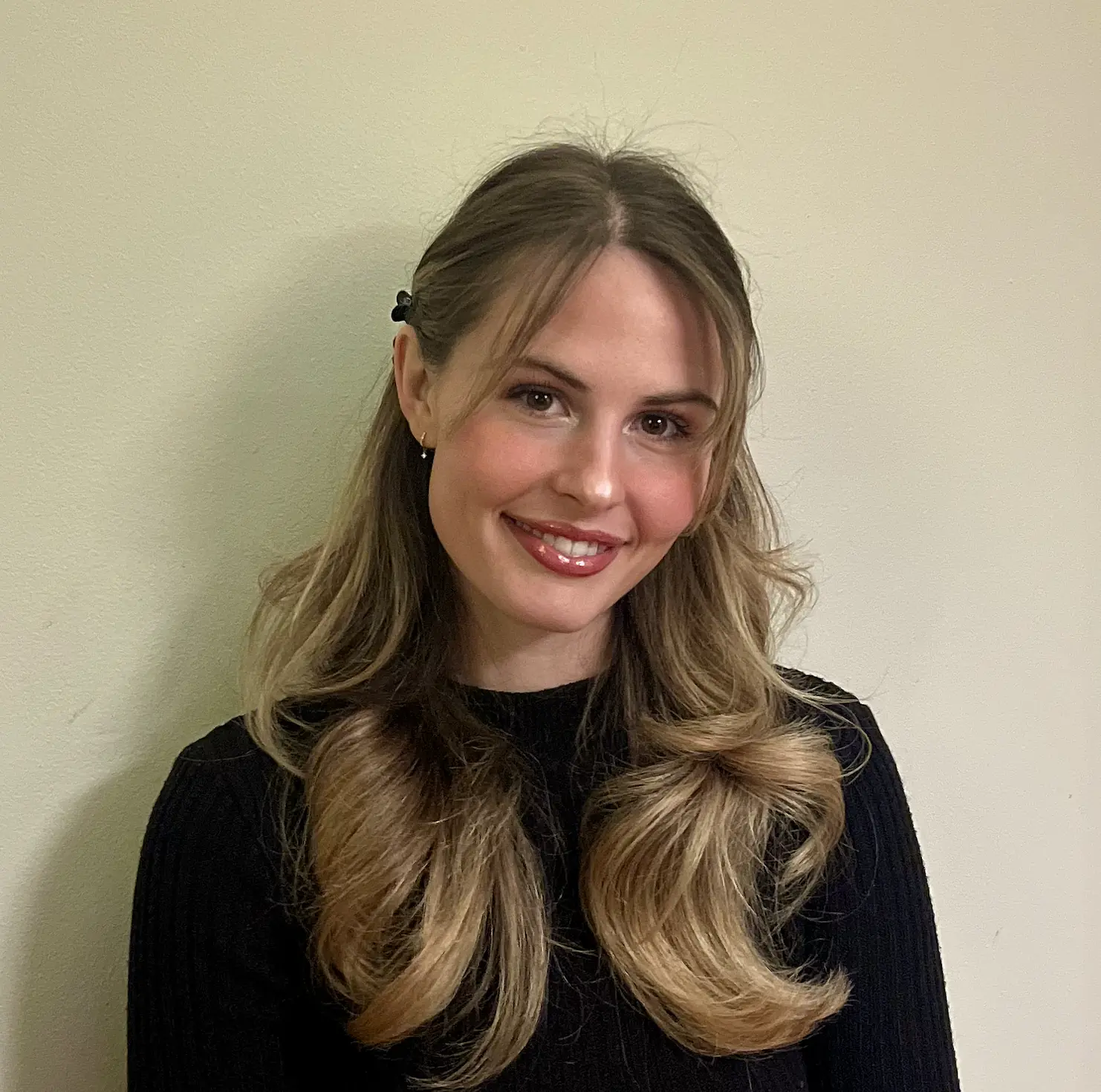
I worked as a full time research assistant on this project at the University of Gothenburg with Prof Mikael Lindahl (University of Gothenburg) and Prof Christian Møller Dahl (University of Southern Denmark)